Debunking Common Landscaping Myths: What Every Homeowner Should Know
Myth 1: All Plants Thrive With More Water
One of the most prevalent myths in landscaping is that more water always means healthier plants. In reality, overwatering can be just as harmful as underwatering. Many plants, especially those native to arid regions, are adapted to survive with minimal water. Overwatering can lead to root rot and other diseases.

Understanding Plant Needs
Each plant species has its own unique water requirements. To keep your garden lush and healthy, it's essential to research and understand these needs. Consider implementing a watering schedule based on the specific demands of your plants rather than a one-size-fits-all approach.
Myth 2: Landscaping Is Only for Aesthetics
Many homeowners believe that landscaping is purely about enhancing the visual appeal of their property. While aesthetics are important, landscaping also plays a crucial role in improving environmental health, conserving water, and increasing property value. Strategic landscaping can even reduce energy costs by providing natural cooling and windbreaks.
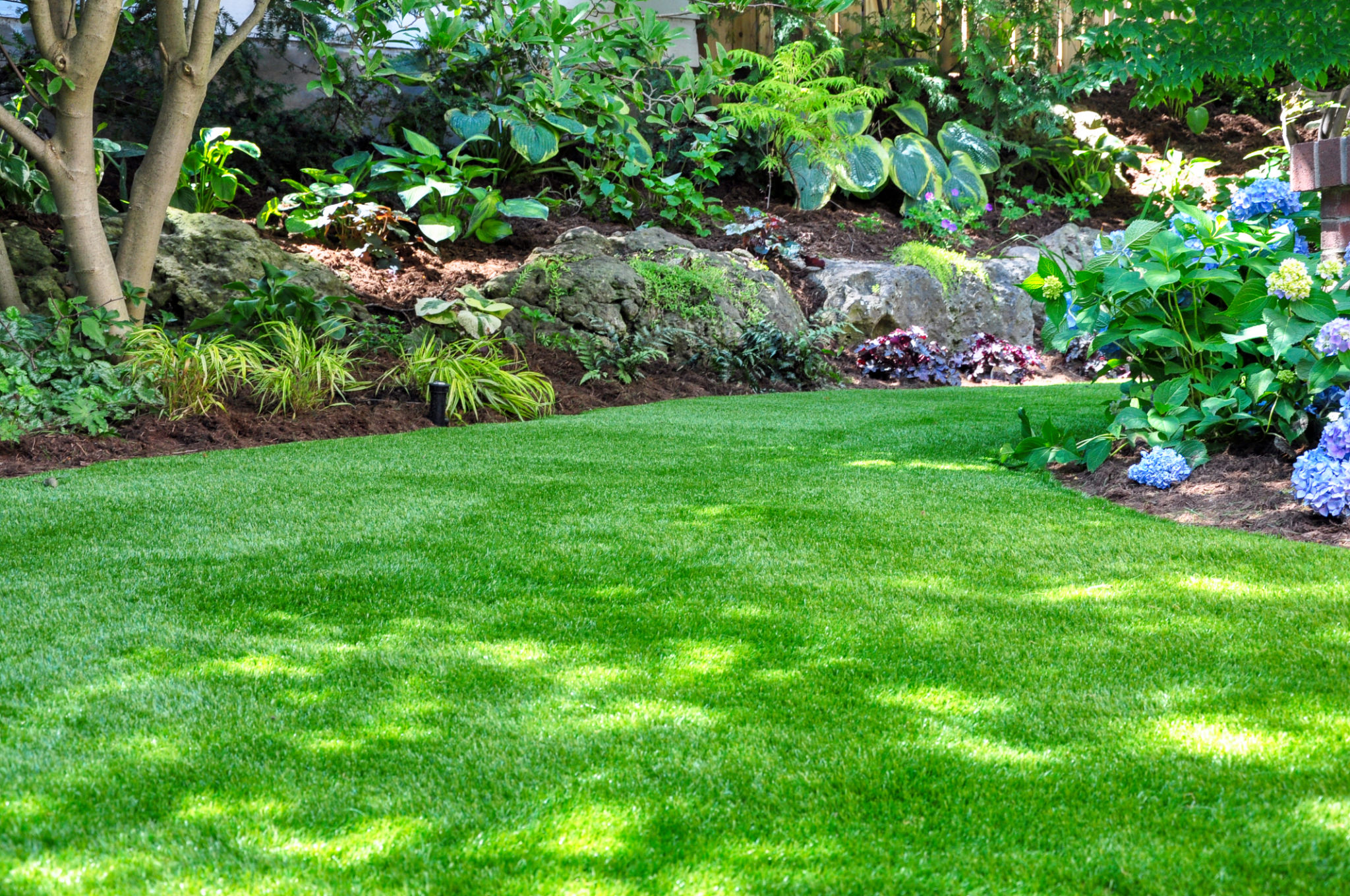
Functional Benefits of Landscaping
Beyond beauty, landscaping offers practical benefits such as improved air quality, noise reduction, and erosion control. By choosing the right plants and designs, you can create a sustainable and environmentally friendly outdoor space.
Myth 3: Mowing Shorter Means Less Maintenance
The idea that cutting your grass shorter means fewer mowing sessions is a common misconception. In fact, mowing too short can damage your lawn, making it more susceptible to weeds, pests, and diseases. This practice, known as "scalping," weakens grass roots and hinders growth.
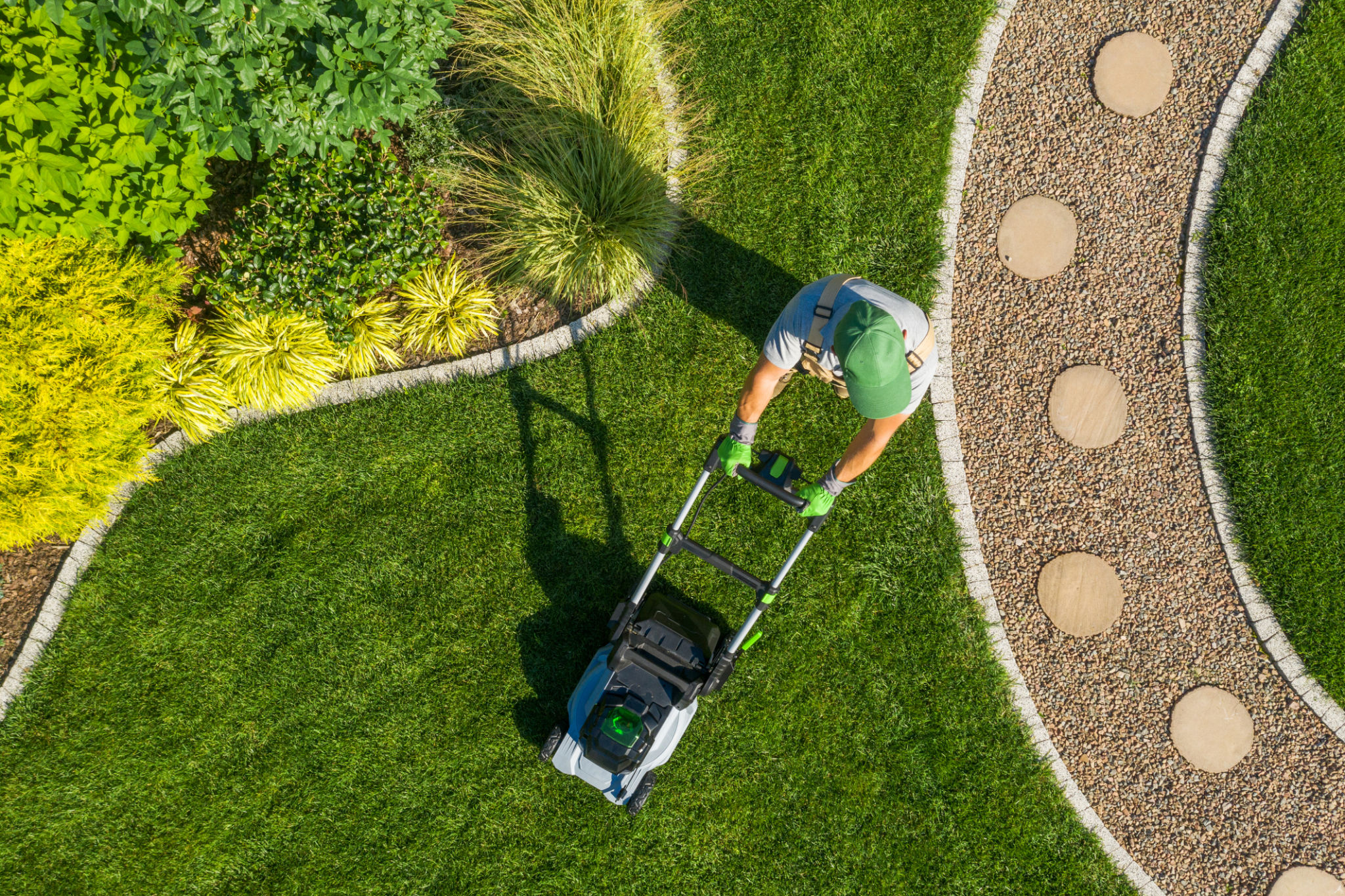
Proper Lawn Care Techniques
To maintain a healthy lawn, it's recommended to follow the "one-third rule," which suggests never removing more than one-third of the grass blade at a time. This approach promotes strong roots and a robust lawn.
Myth 4: Native Plants Are Boring
Some homeowners shy away from using native plants, assuming they lack visual interest or variety. However, native plants offer a diverse range of colors, textures, and forms that can create stunning landscapes. They are also well-adapted to local conditions, making them easier to maintain.
Benefits of Native Plants
- Low Maintenance: These plants require less water, fertilizer, and pesticides.
- Wildlife Support: Native plants provide food and habitat for local wildlife.
- Environmental Balance: They help preserve the natural ecosystem.